Explore the best jewellery testing machines in India in 2026. Compare gold purity analysers, diamond testers, gemstone equipment and ferrous particle detectors.
Jewellery testing machines are essential for maintaining product quality, verifying precious-metal purity and identifying hidden defects in jewellery manufacturing. From gold purity analysers to diamond testers and ferrous particle detection systems, the right equipment helps jewellery businesses improve quality control, reduce product defects and build customer trust.
In India’s competitive jewellery industry, quality assurance is not limited to checking the purity of gold. Tiny metal particles trapped inside ornaments, incorrect gemstone identification and inconsistencies in alloy composition can also create costly problems.
This guide explains the major types of jewellery testing machines available in 2026, their applications, indicative prices, and how manufacturers and retailers can select the right equipment for their business.
A note on where we stand: Magnic makes the Ferrous Particle Detector Machine (FIDM) covered in this guide. We do not make XRF analysers, diamond testers, gemstone instruments or weighing scales, so those sections are general guidance rather than product recommendations.
Why are jewellery testing machines important?
Jewellery passes through several manufacturing stages, including casting, polishing, tumbling, stone setting, finishing and inspection. Each stage introduces different quality-control requirements.
Traditional visual inspection cannot identify every problem, particularly when defects are hidden inside intricate jewellery designs.
Modern testing equipment helps businesses:
- Verify gold purity and metal composition.
- Identify and screen diamonds and gemstones.
- Detect unwanted ferrous particles inside finished jewellery.
- Improve manufacturing quality control.
- Reduce rework, customer complaints and product returns.
- Standardise inspection procedures across production lines.
Selecting the right machine depends on the material being tested, the type of defect, production volume and the accuracy required.
Types of jewellery testing machines in India
Each type of machine answers a different question about a piece of jewellery. Here is what each one checks, before we look at them in detail.
XRF gold purity analyser
Measures the elemental composition of a metal to estimate gold purity and identify alloying elements.
Diamond tester
Screens whether a stone has properties consistent with a diamond or another material.
Gemstone testing equipment
Microscopes, refractometers, polariscopes and other instruments that help specialists identify gemstones.
Jewellery weighing scale
Measures weight for manufacturing, retail, stock reconciliation and costing.
Ferrous particle detector
Finds tiny iron or steel polishing pins trapped inside finished jewellery.
1. XRF gold purity testing machine
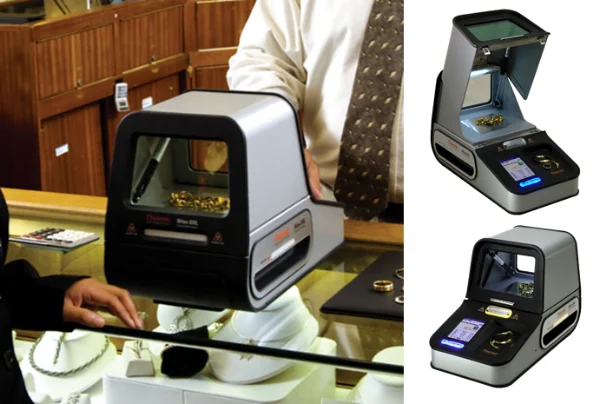
An X-ray fluorescence (XRF) analyser measures the elemental composition of a metal sample. In jewellery applications, it is widely used to estimate gold purity and identify alloying elements.
Key applications
- Testing gold jewellery, coins and bullion.
- Checking gold karat and fineness.
- Analysing alloy composition.
- Screening incoming gold and finished products.
Advantages
- Non-destructive testing under appropriate operating conditions.
- Fast analysis and digital results.
- Useful for jewellery showrooms, manufacturers and precious-metal laboratories.
Approximately ₹3.5 lakh to ₹20 lakh or more, depending on the instrument, detector, configuration and service package. Obtain a current quotation before purchasing.
2. Diamond testing machine
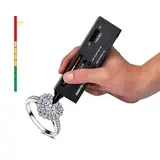
Diamond testers help determine whether a stone has properties consistent with a diamond or another material.
Depending on the model, these instruments may use thermal conductivity, electrical conductivity or more advanced screening technologies.
Key applications
- Initial screening of loose stones.
- Jewellery retail inspection.
- Checking stones during inventory verification.
- Screening certain diamond simulants.
Advantages
- Convenient for jewellery counters.
- Quick preliminary screening.
- Portable options are available.
Varies significantly by technology, brand, and whether the equipment performs basic screening or advanced identification.
3. Gemstone testing equipment
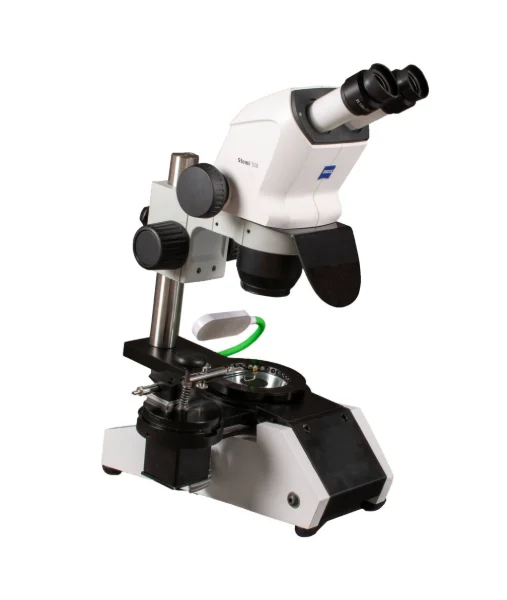
Gemological instruments help specialists identify gemstones and evaluate their optical and physical characteristics.
Common equipment includes
- Gemological microscopes.
- Refractometers.
- Polariscopes.
- Spectroscopes.
- Specific-gravity testing equipment.
Key applications
- Identifying gemstone characteristics.
- Examining inclusions and surface features.
- Supporting gemstone identification and authenticity assessment.
- Screening certain treatments or imitations when the instrument is suitable.
4. Jewellery weighing scale
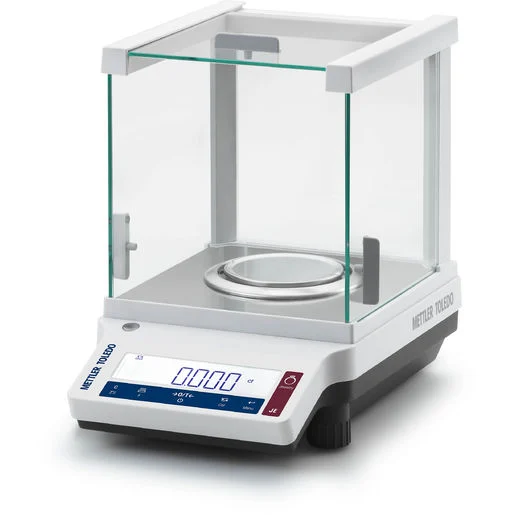
Precision weighing scales are widely used in jewellery manufacturing, retail, inventory management and precious-metal trading.
Key applications
- Measuring jewellery weight.
- Recording metal consumption during manufacturing.
- Supporting stock reconciliation.
- Calculating material costs.
Features to consider
- Suitable readability and weighing capacity.
- Calibration and verification requirements.
- A stable weighing platform.
- An easy-to-read display.
- Data output and record-keeping options.
5. Ferrous particle detector machine for jewellery
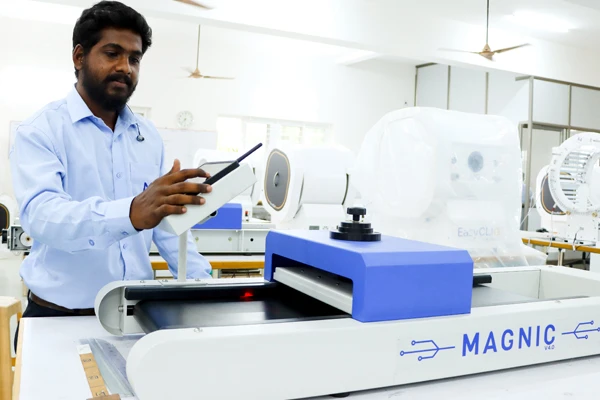
One important quality-control challenge in jewellery manufacturing is the presence of tiny ferrous particles inside finished ornaments.
During polishing and tumbling, small magnetised iron or steel pins may become trapped in pores or intricate sections of jewellery. These particles can remain hidden even after conventional visual inspection.
When a contaminated ornament reaches a customer or retailer, it may lead to complaints, incorrect weight assessments, rework or disputes.
This is where specialised ferrous particle detection equipment becomes valuable.
How does a ferrous particle detector work?
A dedicated detection system checks jewellery for unwanted ferrous contamination. Depending on the equipment, it can identify affected pieces and help operators locate the suspected particle for removal.
Magnic Technologies offers its Ferrous Particle Detector Machine (FIDM), developed for jewellery manufacturing quality control.
Magnic FIDM V4.0: key features
According to Magnic’s published product information, the FIDM V4.0 range includes the following features:
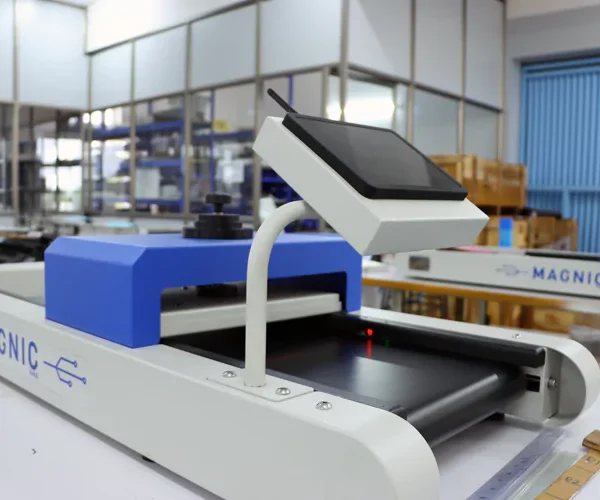
Rapid inspection
The Standard model supports a published checking time of approximately 3 seconds per component in dual-scan operation.
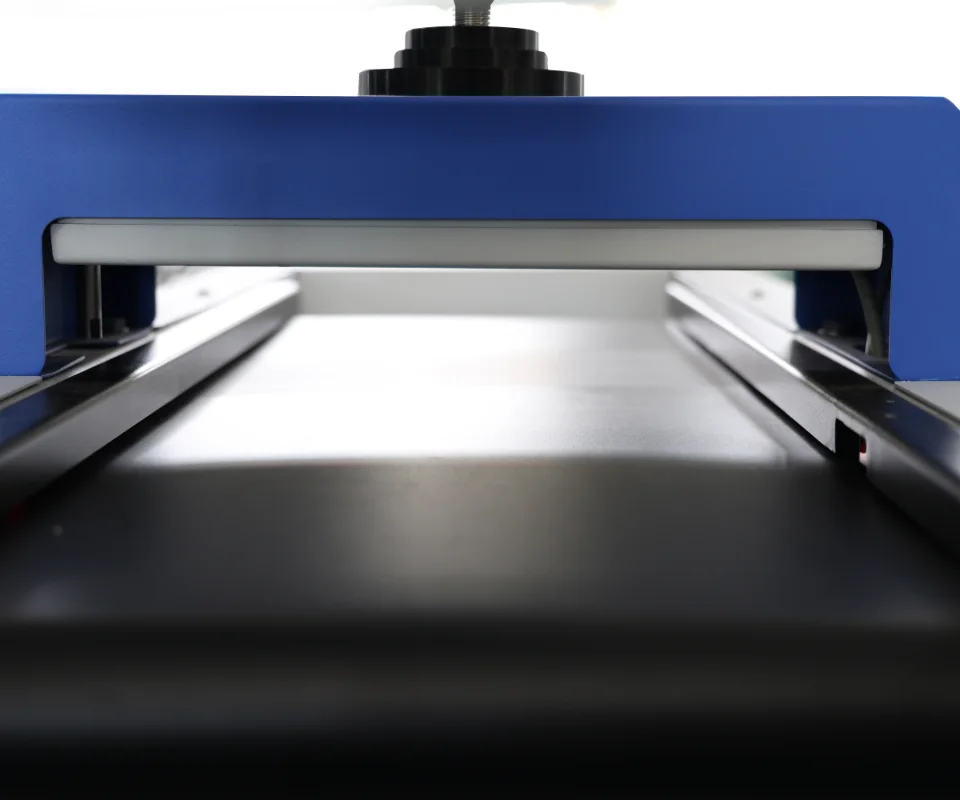
Sensitive detection
The manufacturer specifies detection capability for iron particles under 1 mg, with a stated sensitivity of 2.0 mm × 0.25 mm.
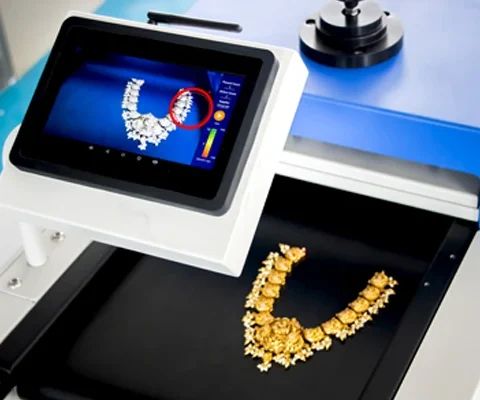
Camera-based location assistance
Helps operators identify where a suspected particle is located: the touchscreen shows a photograph of the piece with the suspected spot marked.
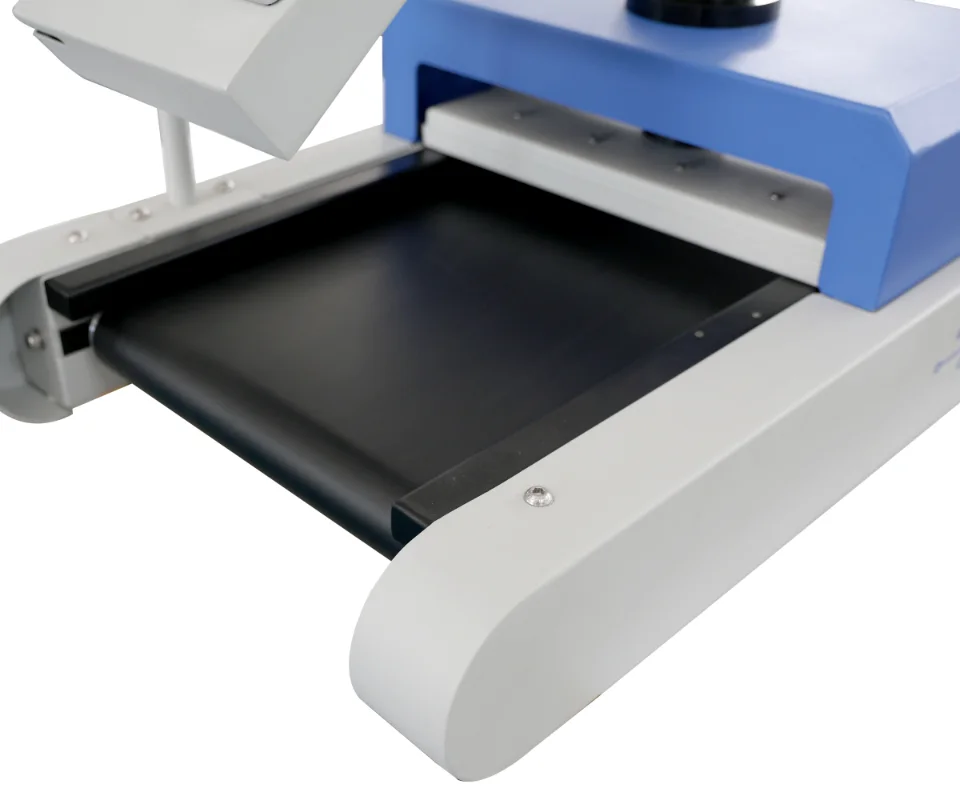
Conveyor-based inspection
Supports production-line inspection and separation of affected pieces.

Operator-friendly controls
An Android-based touchscreen interface.
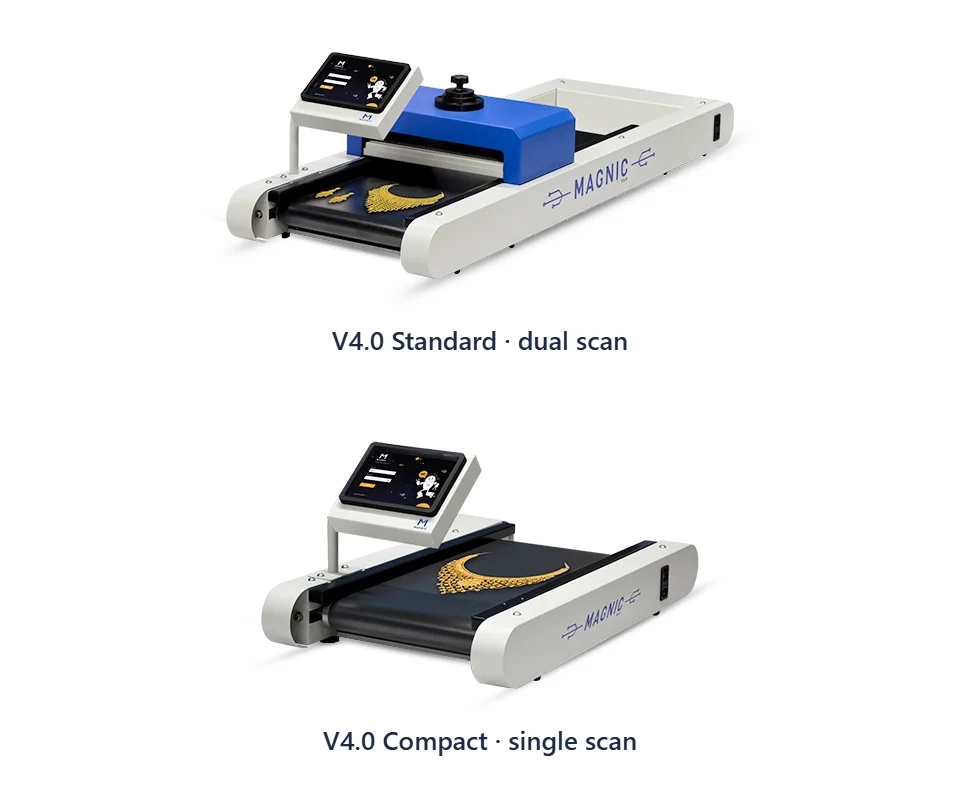
Production flexibility
Standard (dual-scan) and Compact (single-scan) configurations for different throughput and workspace requirements.
Who should consider a ferrous particle detector?
- Gold jewellery manufacturers.
- Jewellery polishing and tumbling units.
- High-volume finishing departments.
- Jewellery quality-control teams.
- Retailers handling old-gold buybacks.
- Relevant hallmarking and inspection operations.
For manufacturers processing large batches, automated inspection can help reduce dependence on manual checking and make quality-control procedures more consistent.
Jewellery testing machine price in India (2026)
The cost of jewellery testing equipment depends on the technology, detection capability, accuracy, throughput, automation and after-sales support.
| Machine type | Indicative price guidance |
|---|---|
| XRF gold purity analyser | Approximately ₹3.5 lakh–₹20 lakh or more, depending on configuration |
| Basic diamond tester | Varies by model and testing technology |
| Advanced diamond screening equipment | Quotation required; technology and capability affect cost |
| Gemological instruments | Varies by instrument and professional specification |
| Precision jewellery weighing scale | Varies by capacity, readability and calibration requirements |
| Ferrous particle detector | Magnic FIDM Dual Scan: ₹7,45,000 as published, plus taxes, freight and service charges. Contact us for other configurations. |
These are buying-guide indications, not guaranteed quotations. Prices may change with GST, accessories, installation, calibration, warranty and service agreements. Confirm the final landed cost directly with the supplier.
How to choose the right jewellery testing machine
Before investing in testing equipment, consider these factors.
1. Identify the problem you need to solve
Gold purity analysis, gemstone identification, accurate weighing and hidden ferrous particle detection are different tasks. Select equipment designed for the specific inspection requirement.
2. Match the machine to your production volume
A small jewellery shop may need a compact testing instrument, while a large manufacturing facility may benefit from automated inspection and conveyor integration.
3. Check testing performance
Ask the supplier to demonstrate the machine using representative jewellery samples, including the smallest or most difficult defects relevant to your process.
4. Evaluate operating costs
Consider consumables, calibration, maintenance, operator training, downtime and service availability in addition to the initial purchase price.
5. Check after-sales support
Verify installation assistance, spare-parts availability, warranty coverage, technical support and expected service response times.
6. Calculate the return on investment
Compare the cost of the machine with potential savings from reduced manual inspection, fewer defects escaping production, less rework and fewer customer complaints. Use your own production data rather than relying on generic savings claims.
Frequently asked questions
Which jewellery testing machine is best for gold purity?
An XRF gold analyser is a common choice for rapid, non-destructive elemental analysis. The appropriate instrument depends on the sample, required accuracy and intended use.
Which machine detects iron particles inside gold jewellery?
A dedicated ferrous particle detection system, such as Magnic’s FIDM, is designed to identify unwanted ferrous contamination in jewellery. Gold purity analysers and ordinary weighing scales serve different purposes.
Can a gold testing machine detect hidden iron pins?
Not every gold testing machine can detect hidden ferrous particles. XRF analysers primarily analyse elemental composition at the measurement area, whereas a dedicated ferrous particle detector is designed for this specific quality-control problem.
What is the price of a jewellery testing machine in India?
Prices vary widely depending on whether you need an XRF analyser, diamond tester, gemological instrument, weighing scale or automated ferrous particle detector. Request a quotation based on the exact application and required performance.
Why is ferrous particle detection important in jewellery manufacturing?
Small polishing pins can become trapped in intricate jewellery and may escape visual inspection. Detecting contamination before dispatch can help manufacturers reduce defects, rework and downstream complaints.
Is one machine sufficient for all jewellery testing?
No. Different machines test different properties. A comprehensive quality-control process may combine metal composition analysis, gemstone testing, precision weighing, visual inspection and specialised contamination detection.
Conclusion
Jewellery quality control in 2026 involves more than verifying gold purity. Manufacturers and retailers need appropriate testing methods for metal composition, gemstones, weight and hidden production defects.
Choosing the right equipment begins with understanding the problem, evaluating testing performance and comparing total ownership costs.
For jewellery manufacturers concerned about ferrous contamination from polishing and tumbling, a dedicated detection system can add an important inspection step before finished products leave the factory.